How safe is Singapore?
Ever since the independence of Singapore, the government has made safety one of the city’s most developed aspects. Today, Singapore is the fifth safest country in the world with a peace index of 1.339 in 224 (strait times). However, this asset also creates new problems, including the lack of privacy. This leaves one to think if the positives outweigh the negatives and whether there should be a limitation to the amount of vigilance.

It is an evidence to every Singapore citizen that there is a feeling of safety everywhere in the city: there is little to no serious danger in the streets during the night, the amount of house robberies, assaults or murder are significantly lower than the world average, with a physical crime rate of 331 per 100 000 population in 2024 (Singapore department of statistics) Indeed, a survey from the ministry of home affairs affirms that-97% of respondents rated Singapore’s safety and security positively. Safety is a priority in a city and leads to a more relaxed and stress free population. However, in order to be able to protect the population, there needs to be a vigilance system. Singapore counts over 109 000 CCTV cameras in public and hopes to reach 200 000 cameras by the mid-2030s (straight times), leaving only a few blind spots throughout the city. This creates other issues within the city, a morality issue.
Singapore and public policies
Another Singapore law states that you can get up to 3 months in prison for appearing publicly indecent, even in a private space, such as your house (Singapore statutes). This leaves to wonder what is considered a private space in Singapore, and even if there are any at all. Can too much surveillance reverse the feeling of safety created by the government?
Where should we draw the line?
From my point of view, as a teenager having lived 6 years in Singapore, the amount of surveillance is excessive, in the streets as well as my own school. Furthermore, the population, teenagers in particular, have a need for privacy, for example staying alone in their bedroom, and for school to be considered a ‘safe place, we need to have spaces where we can feel more in control than controlled. It also all depends on the trust the population has on the police. In Singapore, this massive security is not severely reproached since the population believes the police to be just and deal with the data correctly, however, another part of the population does not pour all their trust in the police. Those people then don’t feel secure as they do not know what the police is doing with that information, all their were abouts and frequented areas. Overwhelming cameras make peoples private information public to some. This discussion has also resurfaced multiple times on online debating sites such as Quora.
Many may argue that all the surveillance is needed in order to protect the city’s population and to stop people from breaching the law. While it is true that Singapore uses cameras as a way to dissuade the population from committing, more than to spot them, it is not fool proof.
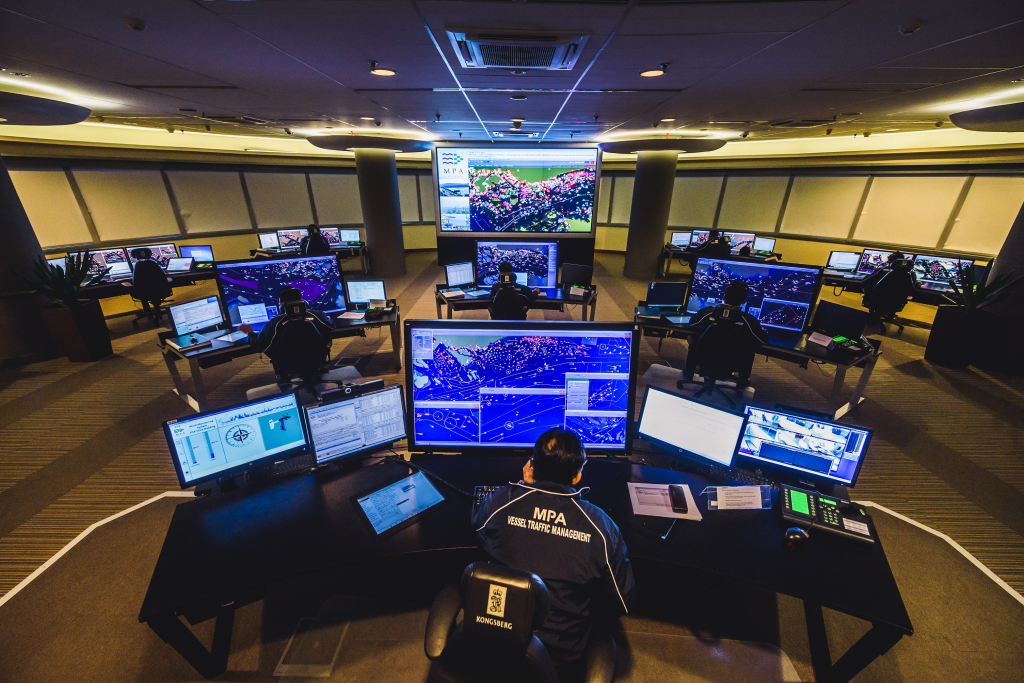
People feel a need to rebel during their teenage years and, even with cameras, they will find a way to do it. While it would be false to state cameras don’t help, it would also be false to say that cameras stop all crimes in Singapore. Instead of relying solely on fear and control in order to stop crimes, the country could also choose to find other methods to incite the people to not break the law, perhaps showing the consequences in order to further educate. l believe the best course of action would not be to remove all cameras, simply make true private spaces for people. At the end of the day, it is human nature to do all the possible to achieve what they want. If someone wants to break a law, they will find a way to do it with or without cameras, making all that effort and unpleasant feeling for most of the population, in vain.
Ines Rovira
 SGdiaries
Leave a comment