“I can’t hear you well. Could you check your internet?” affirmed a voice over convoluted Zoom audio and pixelated screens
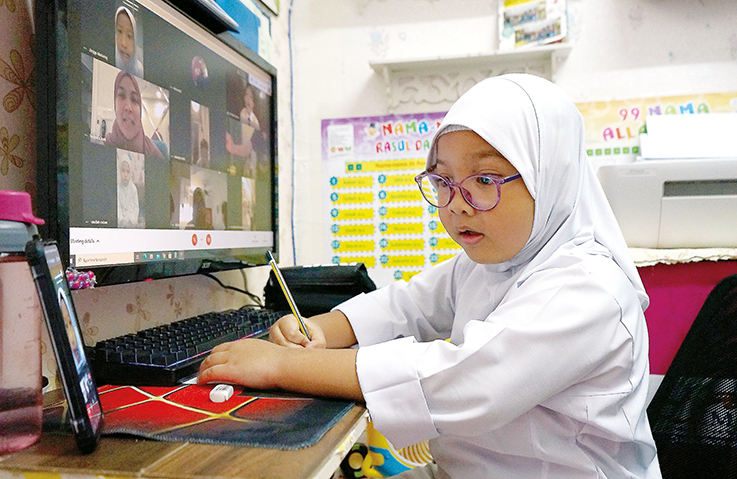
We all remember 2020. Rolling out of bed last minute, disheveled and disoriented, one click away from the routined virtual classroom. A lecture was nothing more than background noise serving as a distraction from the compelling 3 part Netflix series we binge-watched the night before. In theory, online class was just a tedious chore which most of us disregarded as “nothing too serious”. For some however, online class was a tug-of-war. Between the buzzing wifi network which disconnected at the slightest movement, or the routine disputes for whose turn it was to use the only device at home, classes were a cacophony of dread and discoordination.
On the surface, Singapore may seem like the ideal country: peaceful, well-educated and above all, rich. However, Covid-19 didn’t only cause health risks. It revealed pre-existing wealth disparities between families, especially among the young, highlighting an absurdly unequal wealth distribution within the country’s GDP. So, how can we push Singapore towards greater equity?
In 2025, SmartWealth highlighted that there are 332,490 millionaires in Singapore, but 796,320 adults with an income of less than $13,500. To make matters worse, Singapore’s Gini coefficient is rising rapidly, peaking at 70 in 2023, one of the fastest increases for a country as assessed by UBS.
When a family of 6 is tucked into a 2 room HDB with barely functioning wifi and a desk space smaller than a stool, coordinated studying becomes a hassle. A child possessing his own room would still find it challenging to focus during home-based learning. Now envision you’re a family with 3 kids, all sharing one laptop screen in the living room, fighting to submit assignments and tasks on time.
In a country where your studies define your future, students from low-income families may find it almost impossible to climb up the ladder to success. While wealthier families can supplement the inefficientness of home-based learning with private tuition classes and paid-online resources, there is no easy way out for those from lower-income backgrounds. Substitutions are not an option.
What was Singapore doing in the face of the crisis?
According to figures provided by the Ministry of Education, about 12,500 laptops or tablets, as well as 1,200 Internet-enabling devices, such as dongles, have been loaned to students who do not have enough devices at home for home based learning. Additionally, small compromises have been allowed for students who are unable to partake in home-based learning such as granting small numbers of children to study at school within required safety guidelines.
And while these solutions have offered to many students a significantly better study environment, eligibility is difficult.

How are young people reacting to this?
The Covid-19 pandemic, while exposing deep wealth disparities within the country, also sparked moments of solidarity and change within the community. Youth-led initiatives such mutual aid groups and free tutoring for underprivileged students to mental health support networks, showed how young Singaporeans could step up where formal systems lagged (Project stable staples, It All Starts Here SG). Their hand reached beyond students, as student-led groups provided food and mental health support for migrant workers (CMSC) or raised funds to distribute groceries and daily essentials to families in need (Wares Mutual Aid & Sayang Sayang Fund)
At the policy level, COVID-19 accelerated efforts to close the digital divide, expand the Progressive Wage Model, and strengthen SkillsFuture to prepare workers for a shifting economy. Ultimately, the pandemic created an opportunity to rethink access to education, redesign social safety nets, and reimagine fairer employment pathways for the next generation.
 SGdiaries
Leave a comment