Most people would say they are not racist. Yet, racial inequalities remain in many societies, including Singapore. So here’s the big question: Can there still be racism without racists?

What is racism?
At first glance, racism seems simple to define. In reality, racism is much deeper. It transcends individuality, and builds off of systems of deep-rooted social inequalities and the structures of institutions that have been normalized for centuries. Thus, the question poses “Can there be racism without racists?”
There is a misconception that racism is simply defined as hateful attitudes, stereotypes and conscious discrimination. And while racism does encompass these forms of oppression, the way it is executed is much more complex.
How do scholars define racism?
Sociologist Bonilla-Silva defines racism as being a structural system which relies on collectively agreed-upon social norms between people, which end up benefiting one “race” over another even without anyone intending deliberate harm. Think of it as invisible scaffolding. These structures were originally built on openly racist ideologies such colonialism, segregation and slavery, but even after such explicit beliefs faded, the systems remained, quietly reproducing inequality.
As we continue to adapt these embedded systems, which puts different groups at a disadvantage, racism persists despite attempts to change or the absence of avid racist people.
How is racism reproduced today?
This is why we can still see racial disparities, such as education, labor laws or housing, today. Even if racial prejudice has progressively declined throughout the years, the advantages some “races” have over others will remain, as long as we follow the same structure issued by society centuries ago when discrimination was deliberate.
For example, years ago, people of color were restricted from housing in certain residential areas which were reserved for “white” families. This openly racist tradition inferred that people of color would bring chaos and disruption to a peaceful neighborhood. This policy now leads to visible segregation between many neighborhoods which are often dominated by a single racial group. Vividly portrayed, for instance, in New York City, where neighborhoods such as the Bronx are majority inhabited by low income black residents whereas Manhattan would mainly be composed of upper class white residents, not only does this portray the persistence of racism in modern times, but it also shows how each component such as inheritance, wealth and land play a part in shaping the current injustices of society.
Families of color with little assets to pass on to their children are more likely to be marginalized and in difficulty, constrained to lower income neighborhoods, entrenching wealth gaps. The families who were excluded struggle to buy sought after homes due to their financial backgrounds, augmenting segregation. There is then a ripple effect. A “bad” neighborhood inevitably ties to a “bad” local school, entrenching educational disparities between groups of people.
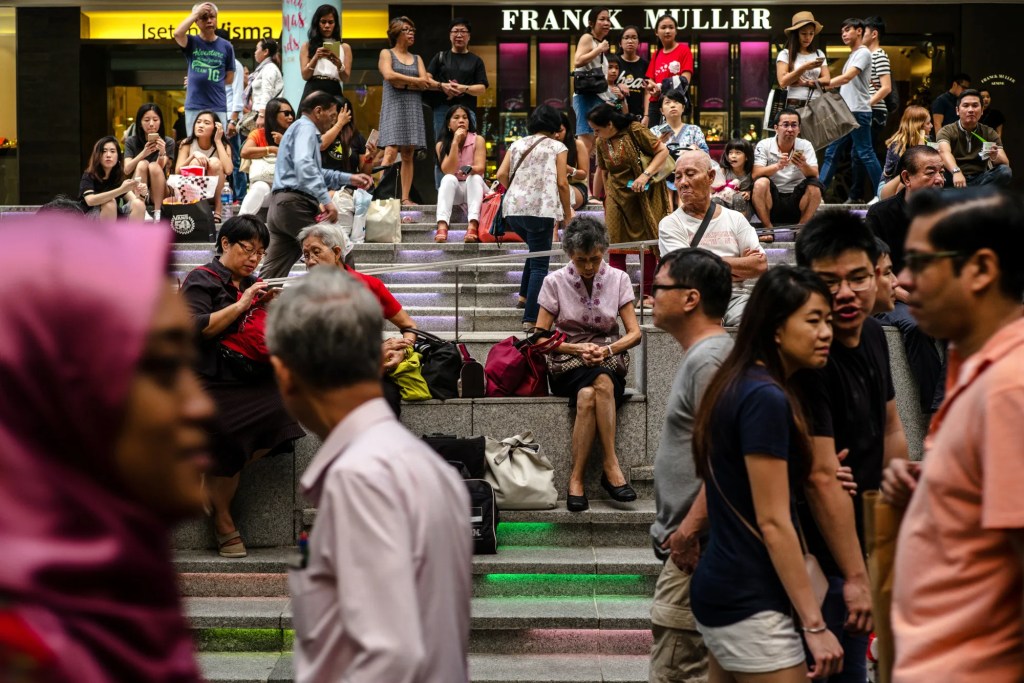
Singapore isn’t exempt from these dynamics either. While we pride ourselves on multicultural harmony, we still see inequalities at play. Foreign domestic workers, for instance, form the backbone of many households, yet face restrictions in housing, employment mobility and even rest days that other workers don’t. Rental discrimination is another example, where certain groups find it harder to secure housing because of landlords’ “preferences.”
These practices may not stem from individuals shouting racist slurs, but they still reflect how systemic bias operates in everyday life.
What should we do?
Here’s the tricky part: when inequalities become normalized, they stop looking like “racism” at all. They start to appear as “just the way things are.” A struggling school in a low-income neighborhood, fewer job interviews because of your last name, or limited access to healthcare, these don’t always come with an obvious racist face attached. But they’re the outcomes of systems built on hierarchies that privilege one group over another.
So yes, there can be racism without racists. It happens when we fail to examine the structures around us, when policies and social norms continue to disadvantage certain groups long after explicit prejudice has declined. Recognizing this doesn’t mean blaming individuals, it means asking harder questions about the world we live in and the systems we continue to uphold.
Lac Nghi Nguyen
 SGdiaries
Leave a comment